
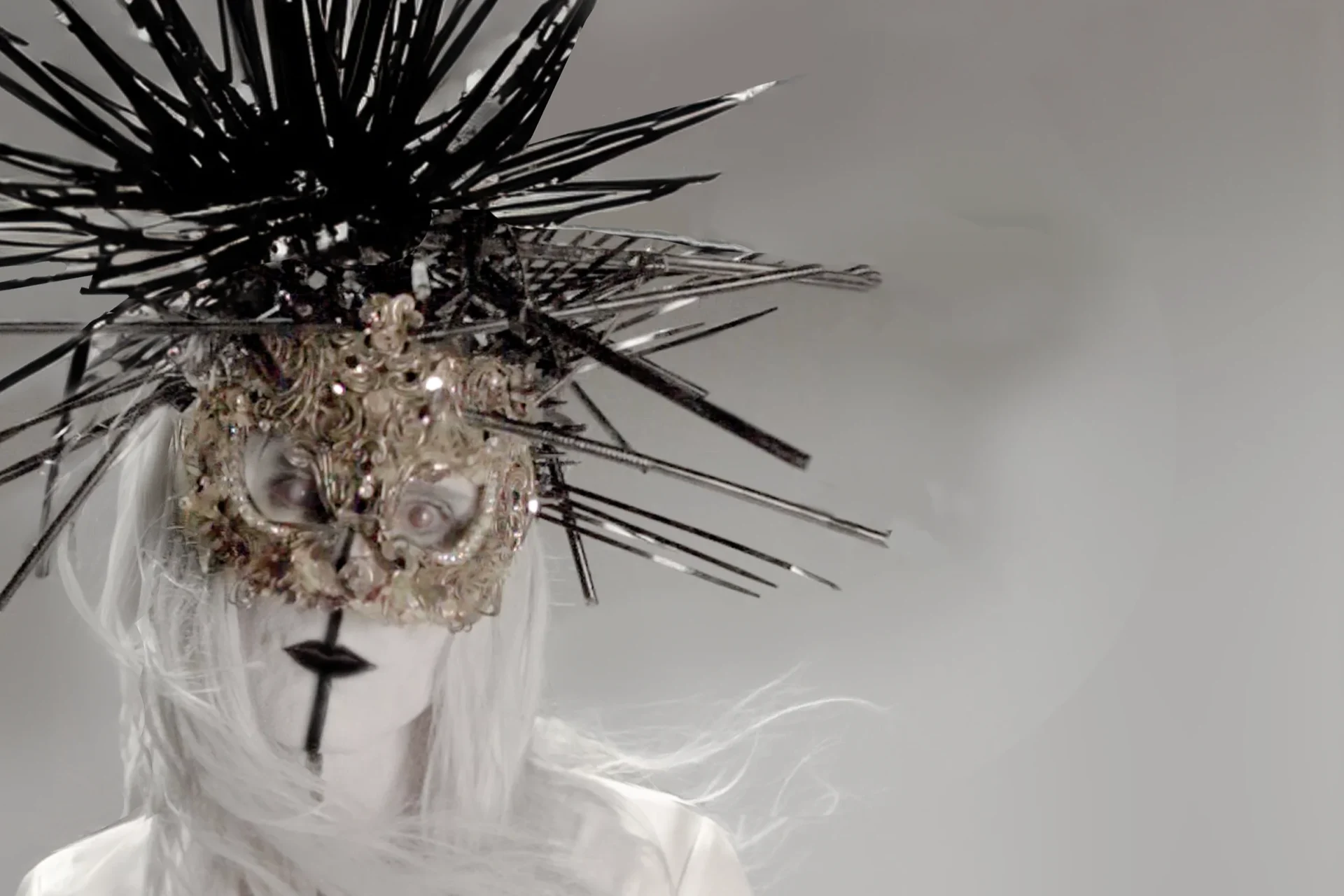
IAMX, il ritorno a Milano: Intervista esclusiva a Chris Corner
Esiste un luogo sottile, sospeso tra l’elettronica viscerale e il teatro dell’anima, dove il trucco cola e le maschere rivelano verità scomode. Quel luogo ha un nome: IAMX. Progetto mutante di Chris Corner, IAMX non è mai stato solo musica, ma un rito di purificazione, un’esplorazione catartica dei desideri e delle fragilità umane.
A pochi giorni dall’attesissimo ritorno sul palco del Legend Club di Milano con l’Artificial Innocence Tour, abbiamo avuto il privilegio di scendere nella tana del bianconiglio insieme al suo creatore. In questa conversazione esclusiva, Chris si mette a nudo, raccontandoci l’evoluzione del suo suono, il rapporto magnetico con il pubblico italiano e la costante ricerca di un’innocenza che, in un mondo sempre più sintetico, sembra ormai un atto di ribellione.
Ecco cosa ci ha raccontato Chris Corner, la mente dietro il battito oscuro di IAMX.
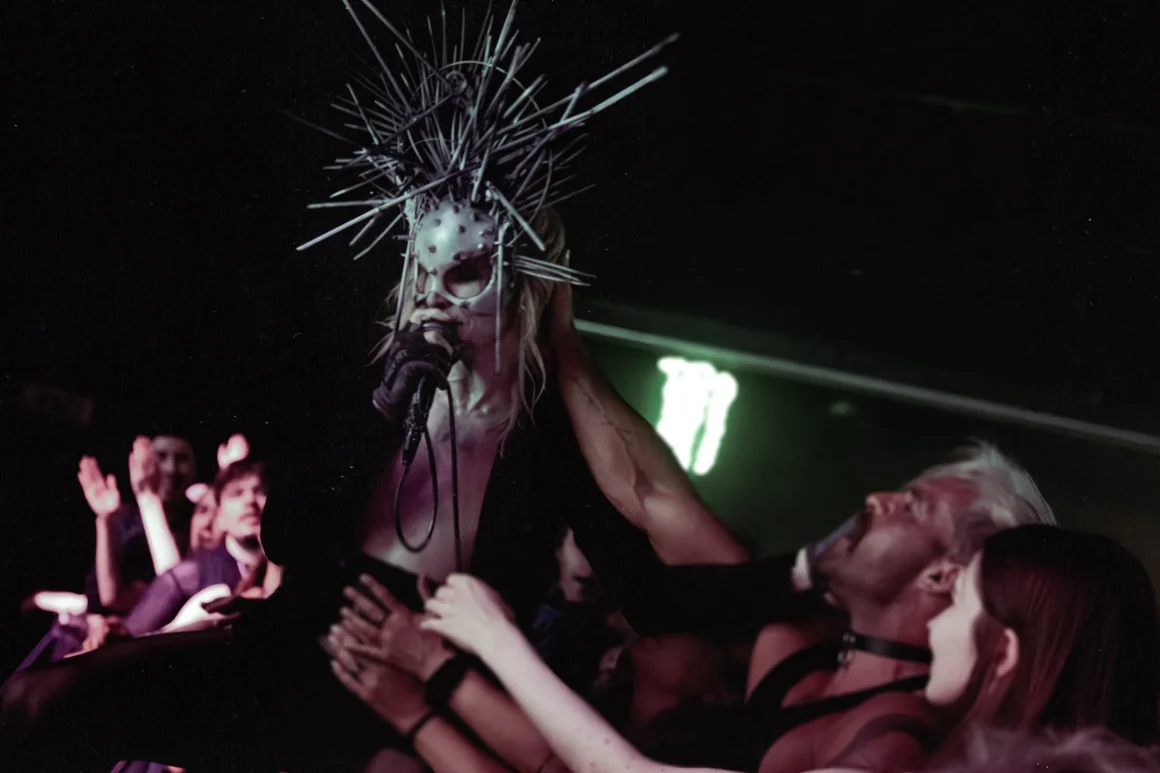
Black Ossian: Benvenuto sulle pagine di Darkitalia Chris, partiamo dal principio: Il nome del tuo progetto è un riferimento diretto a Becoming X, l’album di debutto degli Sneaker Pimps che ti ha portato al successo mondiale negli anni ’90. Alcuni brani del tuo primo disco come IAMX, Kiss + Swallow, erano originariamente destinati al quarto album della band. Guardandoti indietro, quanto è stato difficile “uccidere” quella versione di te stesso come pop star internazionale per far nascere l’estetica più cruda e teatrale di IAMX?
Chris: Beh, non è stato difficile. È stato inevitabile: il passaggio da una sorta di collaborazione con tante persone a supporto del progetto, al ricominciare fondamentalmente da capo, gestendomi da solo. Voglio dire, è stata dura tornare a essere indipendente e, in un certo senso, una nuova entità.
Ma proprio come molte altre cose nella vita, è stato assolutamente necessario, e mi ha sollevato dal peso di non sentirmi pienamente me stesso nel gruppo precedente. Per quanto io ami il lavoro fatto con gli Sneaker Pimps, il mio vero io era trascurato — o meglio, non credo trascurato, solo non ancora scoperto. Così, una volta iniziato il percorso con IAMX ed esplorate cose che con gli Sneaker Pimps non erano possibili — molta più intimità, testi crudi e un suono elettronico oscuro decisamente più definito — tutto è semplicemente apparso, capisci? Si è rivelato da solo senza che dovessi necessariamente lottare. Dal punto di vista creativo non ho faticato affatto. In realtà, la transizione creativa è stata un’esperienza gioiosa e facile. Ed è stato bello essere solista e completamente libero.
BO: Ti sei descritto come un “geek socialmente ansioso” cresciuto nel Nord-Est dell’Inghilterra, influenzato da uno “zio strano” che ti faceva ascoltare musica insolita. Come pensi che quel ragazzo di umili origini e quella prima ossessione per la tecnologia abbiano influenzato la tua decisione di produrre autonomamente tutta la tua musica e di creare un “rifugio” artistico così profondo per i tuoi fan oggi?
C: Siamo il prodotto della nostra educazione, dei condizionamenti e delle cose che ci accadono. Mi rendo conto che il mio sia stato un percorso bizzarro per un musicista. Non è stato molto “musicale”. Ho dovuto davvero seppellirmi nella musica per capire di cosa parlasse l’intera faccenda.
È diventato quindi un interesse speciale, un interesse speciale di tipo autistico. È da lì che è nata la mia parte “geek”: dal poter esplorare da solo, senza domande, giudizi o compromessi. Il bello dell’essere neurodivergente e molto ossessivo è che sono un geek tecnologico ossessivo e autodidatta.
Inoltre, fin da piccolo, ero famelico di musica e cinema. A un certo punto la cosa è cambiata e ho smesso di cercare stimoli all’esterno. Ma c’è stato un periodo in cui consumavo tutto, e sento di aver memorizzato il “dizionario della musica”. A quel punto non ho dovuto spingermi oltre: potevo semplicemente mettere tutto nella mia arte.
Ora che ho questo assetto, è una cosa strana. Potrebbe essere l’autismo, dove l’interesse speciale è così ossessivo che impari talmente tanto da finire per esaurire te stesso in quell’ambito. Sento di essermi logorato con un certo tipo di musica. Sento che l’esplorazione ora riguarda ciò che io posso immettere nel mondo, invece di ciò che il mondo immette in me.
Immagino che derivi da un’infanzia un po’ stravagante. L’etica del lavoro era davvero ottima, credo, perché sono cresciuto in un ambiente crudo, molto povero e operaio. C’era un approccio del tipo “niente stronzate”, e bisogna lavorare sodo. L’ho imparato molto presto, e ne sono grato.
Quindi avevo questo cervello ossessivo unito all’etica del lavoro, e questo mi ha aiutato molto a superare i tanti ostacoli che incontri nel mondo della musica; non solo nel mondo della musica, ma in quello della musica indie, che è un altro livello di dolore.
Il “rifugio” riguarda la connessione. Mi connetto cercando di offrire un modo alternativo di essere, che è una connessione reale e profonda con me. Quando vedo che qualcuno capisce cosa sto cercando di dire, mi sento connesso con lui. Io posso offrire qualcosa, loro mi offrono l’accettazione, ed è una cosa bellissima. Poi ognuno prosegue con la propria vita, ed è glorioso.
Riguardo all’autoproduzione, probabilmente ci sono arrivato per la comodità di poter commettere molti errori da solo. Non è che fossi insicuro del mio talento, piuttosto comprendo la complessità e la durata del processo necessario per creare qualcosa come ciò che creo io. Non credo sia lo stesso per tutti, ma per me richiede molto tempo di sperimentazione ed esplorazione. Quindi, quando stai esplorando e non sai bene dove stai andando — che è l’essenza della creatività — per me è bello essere solo mentre lo faccio.
Una volta che so di aver centrato qualcosa, e sento che vale, che ha valore e che potrebbe aiutare gli altri, allora sento che è pronta per uscire nel mondo.
BO: Hai descritto il nome del progetto come l’unione tra l’identità (“I AM”) e l’ignoto (“X”). Dopo oltre vent’anni di carriera e continue metamorfosi, cosa rappresenta per te oggi quella “X”?
C: Cambiamento. Le nostre vite sono in costante mutamento. Stranamente c’è una sorta di coerenza anche in questo pensiero, ed è per questo che è un nome così bello. Sono felice di essere arrivato a questo nome, IAMX. Descrive tutto ciò che ho sempre voluto dire su come opero e su come, in un certo senso, vedo il mondo.
In essenza è una variabile, e il cambiamento è inserito in ogni cosa. Ogni decisione che prendi, ogni emozione che provi, ogni aspetto negativo o positivo; tutto influenza tutto. La vita è cambiamento.
Inoltre, definisce il progetto come un esperimento aperto, quando vuole esserlo, e questo mi sembra giusto. C’è un suono ben definito, ma se decidessi di stravolgerlo, non sarebbe una sorpresa enorme. È una bella sensazione. Quindi la radice di tutto questo è nel nome.
Mi dà la fiducia necessaria per essere strano, e orgogliosamente strano, e per non dover scendere a compromessi. Penso che sia salutare per la creatività. Ogni volta che penso a questo nome, mi trasmette sempre la sensazione di dire: “Sono libero e posso fare quel cazzo che voglio”.
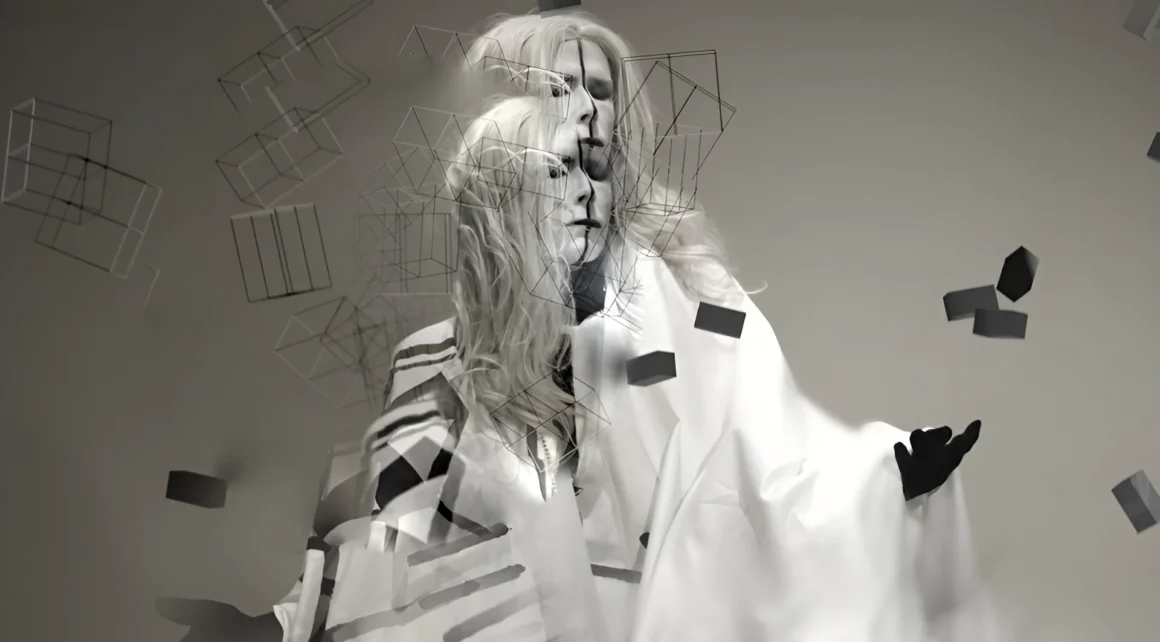
BO: Con la pubblicazione di Fault Lines¹ nel 2023 e del decimo album in studio Fault Lines² l’anno successivo, hai creato un dittico che sembra segnare un confine preciso nella tua produzione. In Fault Lines² troviamo “The Ocean”, una ballata la cui gestazione è durata vent’anni, mentre il tour attuale viene descritto come un’evoluzione e transizione proprio da questi due dischi verso il futuro del progetto. Qual è il filo conduttore emotivo che unisce questi due lavori e in che modo senti che questa “doppia fase” sia stata necessaria per preparare il terreno alla nuova era di Artificial Innocence?
C: Fault Lines rappresenta un periodo di transizione. Descrive la linea di demarcazione tra una cosa e l’altra, o lo spazio tra due mondi. C’è una metafora di fondo, una divisione tra le persone. Guardando al quadro generale della mia carriera, segna sicuramente una sorta di spostamento psicologico verso un nuovo regno. Personalmente, professionalmente, in ogni aspetto. Crescere, invecchiare, lavorare su ciò che verrà dopo per me.
Questi due album sembrano la fine di un’era, ed è per questo che ho voluto unirli. Fault Lines¹ non era completo. Non esauriva del tutto ciò che volevo dire.
IAMX riguarda lo scontro tra due forze. Da un lato c’è la bestia selvaggia dalla voce di elio e fuori di testa, dall’altro la creatura fragile, profondamente emotiva e preoccupata. Sono costantemente in lotta tra loro… o forse in simbiosi? Mentirei se dicessi che è pura simbiosi. Penso che sia il mio obiettivo, ma non è la verità. Credo che combattano molto tra loro, si mettano in discussione, e forse questo è salutare. Forse la creazione è proprio questo. Quindi questi dischi definiscono proprio questo: il confine tra una parte della mia vita e l’altra.
È strano come uno scriva la propria vita. A volte la scrivi prima ancora che accada. E poi succede, e allora capisci cosa volevi dire fin dall’inizio, o chi volevi essere da sempre. Come artista, lo fai costantemente. Se è buona arte, o se è almeno preziosa per l’artista stesso, di solito ha un significato più profondo che non conosci davvero al momento della creazione.
Io lavoro così. Non so sempre che diavolo sto facendo, lo capisco solo dopo. Ed è una bella sensazione, in realtà, perché ti ritrovi nella tua arte e pensi: “Oh, l’ho fatto io, questo sono io, e allora avevo ragione. E sai, in fondo non sono poi così male, vero? Sapevo cosa stavo facendo”. Quindi ci sono un sacco di piccoli vantaggi extra che derivano dal lavorare in questo modo. C’è un pizzico di auto-inganno, che credo sia altrettanto salutare.
Sono quasi arrivato in un posto che definirei “l’altro lato della divisione”. Ho questa sensazione profonda che non sia solo qualcosa di vago o illusorio. Ci sono quasi, e non avevo mai provato questa sensazione prima. In passato ho pensato: “Sì, ci sto arrivando, dobbiamo raggiungere quel posto o fare quella cosa”. Ma mai una sensazione così piena di essere, in qualche modo, arrivato. Anche se, d’altra parte, sai, non mi aspetto di arrivare davvero. Penso solo che questa sensazione sia un po’ più forte di quanto lo sia mai stata. E quegli album la definiscono — anche se è stato un percorso durato tre anni e li stiamo ancora promuovendo. Quindi è ancora una cosa attuale. Sembra “vecchio” in un certo senso perché sento di essere già oltre. Ma, ancora una volta, questi tipi di transizioni richiedono molto, molto tempo. Quindi, è tutto come deve essere.
BO: Sei un attivista nel combattere lo stigma sulla salute mentale e la neurodiversità attraverso il progetto HEADNOISE. Come riesci a integrare questi momenti di dialogo e connessione autentica con i fan durante il ritmo serrato di un tour europeo?
C: È naturale, non mi richiede sforzo. Semplicemente apro bocca e le parole escono. Non c’è un piano. Penso di essere fortunato o forse, semplicemente, ho l’esperienza di molti, molti anni di interviste e di discorsi pubblici sul mio lavoro.
Ho sempre avuto un approccio piuttosto meticoloso e un po’ cerebrale nel vivisezionare il mio lavoro. Vedo come questo sia confluito naturalmente in qualcosa di un po’ più — qual è la parola — terapeutico, dato che la musica è sempre stata un modo per cercare di capire come mi relaziono con il mondo. È solo un’estensione di tutto ciò, forse un po’ meno vaga, un po’ più definita.
Tutto questo è molto salutare per me, perché la vaghezza di ciò che è l’arte a volte può essere un po’ frustrante. Si tratta molto di provare emozioni enormi, e a volte è bello tradurle in parole.
La questione della salute mentale è, alla radice, un modo per decodificare la mia stessa salute mentale, facendolo con attenzione per non trasmettere agli altri una sorta di “marciume cerebrale”. Ho imparato molto dai miei problemi e dai miei esaurimenti nervosi. È sembrata una progressione naturale. Quando ho avuto un crollo davvero importante, una delle cose che è emersa in cima ai miei pensieri era che volevo solo aiutare le persone.
Credo che sia una risposta piuttosto classica alla crisi. Guardi all’esterno per dare alla tua vita un po’ più di significato e di scopo. Non mi ero mai connesso davvero all’idea che la musica stesse già facendo questo per le persone. Avevo bisogno di vederlo in un modo diverso. Ero troppo abituato al fatto che la musica fosse semplicemente musica.
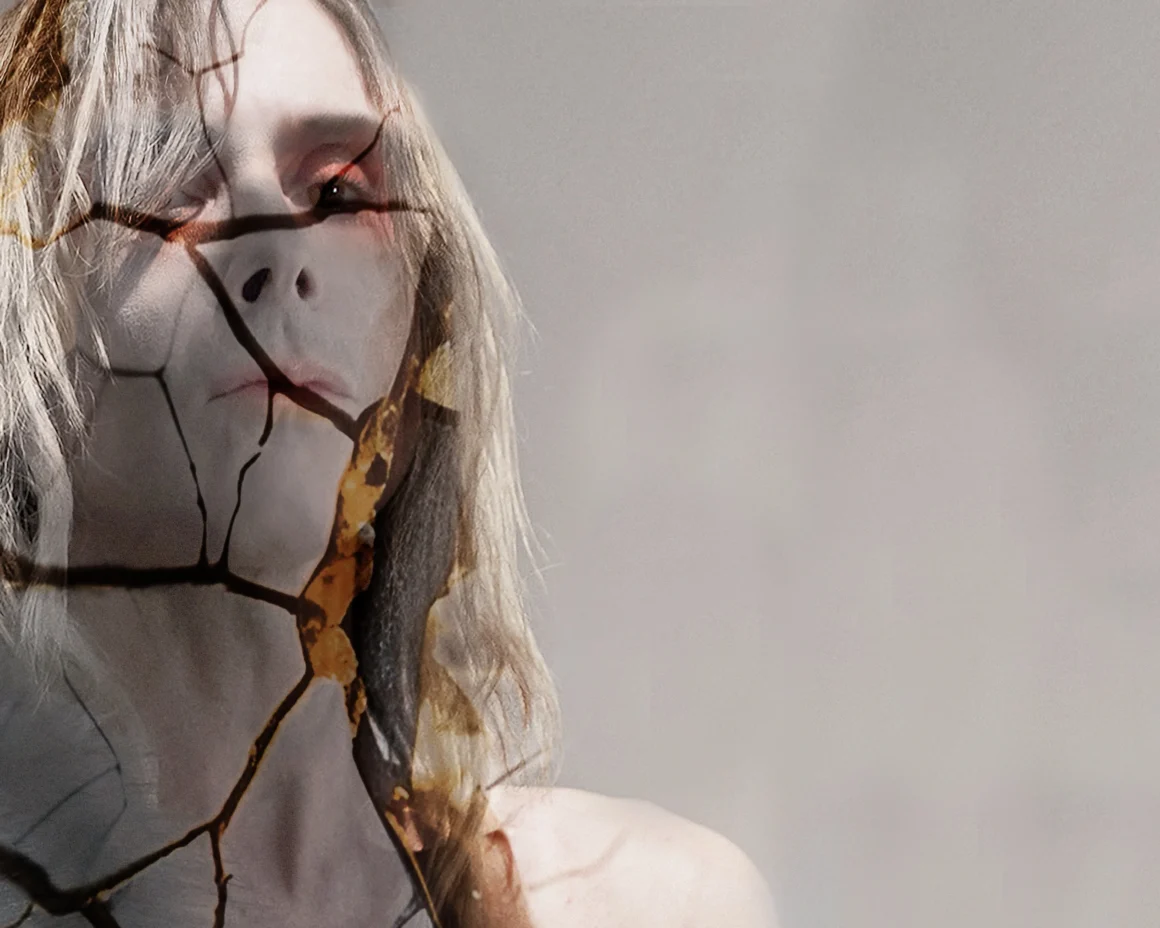
BO: Chris, noi di Darkitalia abbiamo un ricordo speciale del 2015, l’anno in cui abbiamo organizzato il tuo live a Milano. In quel periodo stavi attraversando la fase di Metanoia, che descrivevi come una vera e propria celebrazione della tua guarigione e della tua “conversione” spirituale dopo anni difficili. Oggi, a distanza di dieci anni e con ben dieci album in studio alle spalle, ti appresti a tornare in Italia con l’Artificial Innocence Tour, descritto come un’ulteriore evoluzione verso il futuro del progetto. Guardando indietro a quel ragazzo che saliva sul palco di Milano nel 2015, in che modo senti che la tua “metamorfosi” sia cambiata? Ti senti più in controllo della tua arte o continui a lasciarti guidare dall’imprevedibilità di quella “X” nel tuo nome?
C: Ho più controllo grazie all’accettazione del caos della mia mente. Un tempo lottavo molto con l’incertezza, col non sentirmi pienamente sicuro di me, o nel saltare continuamente da un’iper-sicurezza a un profondo dubbio interiore.
Ho fatto pace, in un certo senso, con questa sorta di “bestia del caos” che è IAMX. Anche se ci sono molti momenti di calma e momenti molto controllati, il desiderio generale è rivolto a una sorta di libertà e all’accettazione del caos dell’universo. Quindi penso che, alla fine, abbia semplicemente smesso di combatterlo. Questo mi ha portato in uno stato mentale molto migliore e mi ha dato più fiducia nel continuare a fare quello che faccio, smettendo di mettere tutto in discussione.
Quella sorta di “scioltezza controllata” mi ha permesso di essere meno cupo, meno negativo quando sono in tour, di godermi di più i momenti, di godermi di più le persone e, in particolare, di accettare il fatto di avere una scarsa “teoria della mente” riguardo agli altri: non posso mai sapere davvero cosa stiano pensando. Ho imparato ad accettare meglio i complimenti, a non interrogarmi su come siano le persone, a non giudicare… credo che tutte queste cose arrivino con l’età.
Ma l’arte ha sicuramente dato la spinta a tutto questo. Mi sento molto fortunato ad essere uscito da un periodo piuttosto turbolento. E mi sento abbastanza stabile.
Ed è una bella sensazione — la stabilità — avere quell’equilibrio che mi permette di continuare a fare ciò che ho sempre fatto e che sempre farò, senza più metterlo così tanto in discussione.
Diciamo che ho smesso di essere l’ostacolo di me stesso. Penso sia questo ciò che mi hanno dato gli ultimi dieci anni.
BO: Il nuovo tour è descritto come un’evoluzione dai capitoli di Fault Lines verso il futuro del progetto. In che modo questo “nuovo capitolo” influenzerà l’energia e la scaletta che vedremo sul palco di Milano?
C: L’esperienza dal vivo si definisce da sola. Non c’è un concetto predefinito quando partiamo per il tour; è una questione molto pratica. Si tratta di capire cosa funziona e cosa sembra giusto per determinati show. Abbiamo una scaletta piuttosto lunga che possiamo adattare se sentiamo il bisogno di inserire qualcosa di diverso. Ma in generale, la scaletta è solida e cresce da un tour all’altro. La sviluppiamo e apportiamo cambiamenti nel tempo.
Non è come i Pink Floyd che fanno The Wall, dove tutto è costruito attorno a un concetto teatrale fisso con una struttura gigante sul palco. Non è quello. È essenzialmente musica indie che si evolve attraverso la praticità di ciò che può essere effettivamente realizzato, unita all’esperienza e alla comprensione di come funzionano le cose dal vivo e di come risponde il pubblico.
Molte volte scegliamo i brani in base all’energia della gente. Non mi piace quando le band costringono il pubblico a sorbirsi qualcosa che chiaramente non sta creando una connessione. Questo non significa che io voglia fare sempre un set “best of”, ma la performance dal vivo è un’esperienza così transitoria. Dovrebbe essere il più intensa, bella ed energetica possibile. Quindi, tutto ciò che aiuta a creare questa atmosfera merita di essere preso in considerazione.
Non sono rigido riguardo a brani particolari. L’obiettivo è l’esperienza complessiva.–
DARKITALIA VI REGALA DUE BIGLIETTI PER IL CONCERTO DI MILANO
CLICCA QUI PER SCOPRIRE COME FARE
ENGLISH VERSION
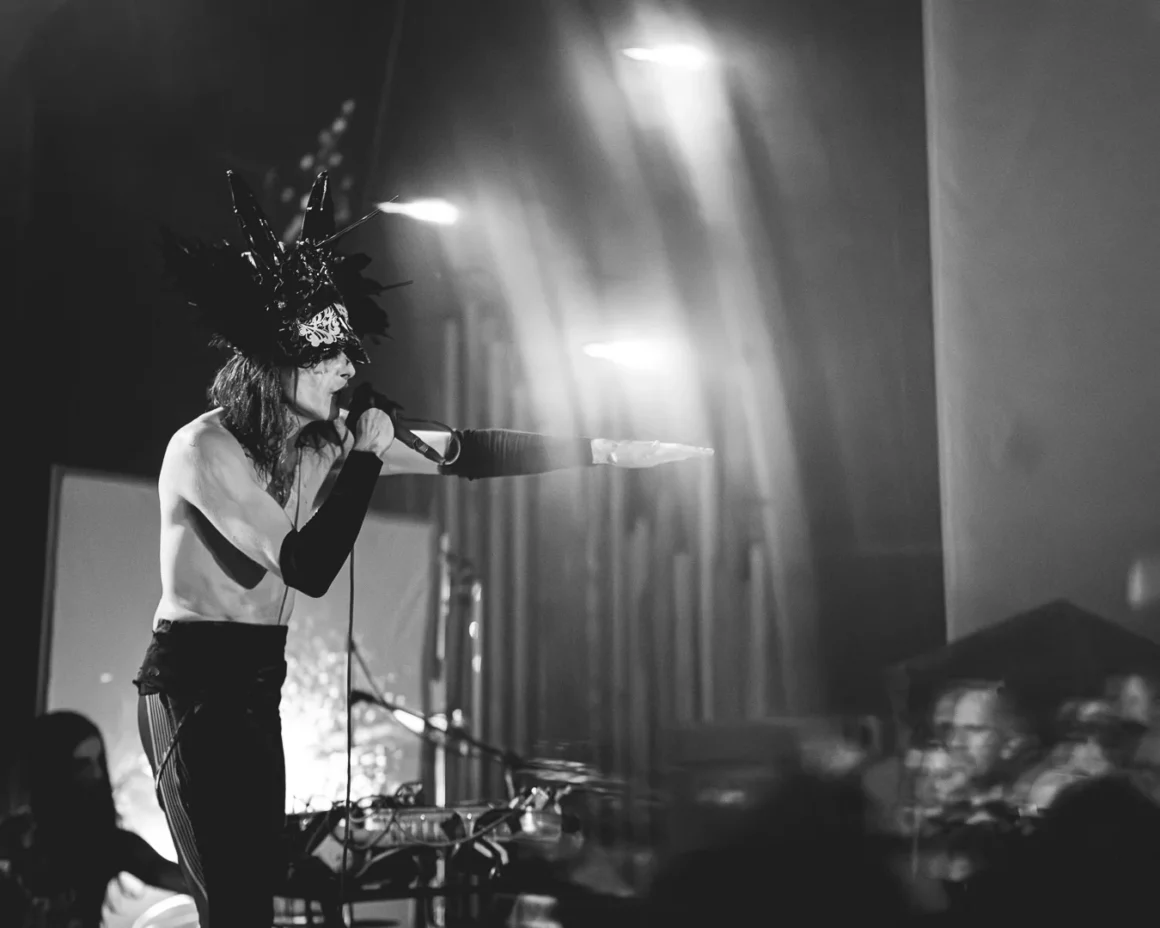
IAMX returns to Milan: An exclusive interview with Chris Corner
There is a thin place, suspended between visceral electronics and the theater of the soul, where makeup runs and masks reveal uncomfortable truths. That place has a name: IAMX. The mutant project of Chris Corner, IAMX has never been just music; it is a ritual of purification, a cathartic exploration of human desires and fragilities.
Just days away from the long-awaited return to the stage at Milan’s Legend Club with the Artificial Innocence Tour, we had the privilege of descending into the rabbit hole with its creator. In this exclusive conversation, Chris strips down, telling us about the evolution of his sound, the magnetic relationship with the Italian audience, and the constant search for an innocence that—in an increasingly synthetic world—feels like an act of rebellion.
Here is what Chris Corner, the mind behind the dark pulse of IAMX, shared with us.
Black Ossian: Welcome to the pages of Darkitalia, Chris. Let’s start from the beginning: Your project’s name is a direct reference to Becoming X, the debut album by Sneaker Pimps that brought you worldwide success in the ’90s. Some tracks from your first record as IAMX, such as “Kiss + Swallow,” were originally intended for the band’s fourth album. Looking back, how difficult was it to “kill off” that version of yourself as an international pop star to give birth to the rawer, more theatrical aesthetic of IAMX?
Chris: Well, it wasn’t difficult. It was unavoidable—the transition from a kind of collaboration with lots of people supporting the project to basically starting again, managing myself. I mean, it was rough going back into being an indie and kind of a new entity.
But just like a lot of other things in life, it was totally necessary, and it relieved me of the burden of not feeling fully myself in the previous band. As much as I love the work that I did in Sneaker Pimps, the true me was neglected—well, not neglected, I think, just undiscovered. So once I started to move into IAMX and explore things that weren’t possible with Sneaker Pimps, much more intimacy and raw lyrics and a very much more defined, kind of dark electronic sound, it just kind of appeared, you know? It revealed itself without me having to necessarily struggle. Definitely creatively, I didn’t really struggle. It was actually a joyful, easy experience transitioning creatively. And it was nice to be solo and completely free.
BO: You’ve described yourself as a “socially anxious geek” growing up in North-East England, influenced by a “weird uncle” who played you unusual music. How do you think that boy from humble beginnings—and that early obsession with technology—influenced your decision to self-produce all your music and create such a profound artistic “refuge” for your fans today?
C: We are a product of our upbringing, conditioning, and things that happen to us. I appreciate that my path was an odd one for a musician. It wasn’t very musical. I had to really bury myself in music to understand what the whole thing was about.
So it became like, a special interest, an autistic special interest. That’s where the geek part of me came from to be able to explore alone without questions or judgment or, or compromise. The beauty of being neurodiverse and very obsessive was that I’m a self taught obsessive tech geek.
And also from quite an early age, I was ravenous about music and film. At some point that changed, and I stopped sort of looking to the outside for stuff. But there was a period when I was just consuming everything, and then I feel like I memorized the dictionary of music. Then I didn’t have to really go any further, and I could just put it all into my art.
Now that I have that set up, it’s an odd thing. It could be the autism where the special interest is so obsessive that you learn so much about it that you kind of exhaust yourself with it. I feel like I did exhaust myself with a certain range of music. I feel like the exploration is all about what I can put into the world as opposed to what the world puts into me now.
I guess that is from a bit of a quirky upbringing. The work ethic was really good, I think, because I grew up in a very poor and working class raw environment. There was a sort of no bullshit thing, and you really have to work. And that I learned pretty early too, so I’m thankful for that.
So I did have this the obsessive brain plus the work ethic, and that did help me a lot, to overcome a lot of hurdles that you experience in the music world, not just the music world, but the indie music world, which is another level of pain.
The refuge is about connection. I connect through trying to offer an alternative way of being, that is a real deep connection with me. When I see that somebody understands what I’m trying to say, I feel like I’m connected with them. I can offer something, they offer me the acceptance, and it’s a beautiful thing. And then we both go about our lives and that is glorious.
The self producing thing, probably the comfort of being able to make a lot of mistakes alone is how I got into that. It’s not that I was insecure about my talent, it was more that I understand the sort of complexity and length of creating something like what I create. I don’t think it’s the same for everybody else, but it takes a long time of experiment and exploration. So when you’re exploring and you don’t quite know where you’re going—which is creativity in essence—for me, it’s nice to be alone to do that.
Once I know that I’ve nailed something, and I feel that it’s worth something and it’s valuable, and it could help others, then I feel like it’s ready to go out into the world.
BO: You’ve described the project’s name as a union between identity (“I AM”) and the unknown (“X”). After a career spanning over twenty years and continuous metamorphoses, what does that “X” represent to you today?
C: Change. Ever changing, our lives.
Oddly there is a sort consistency in that thought too, which is is why it is such a beautiful name. I am glad that I got to that name, IAMX. It just describes everything that I ever wanted to about how I operate and how I sort of view the world.
In essence it is a variable, and change is put into everything. Every decision you make, every feeling you have, every negative or positive; it effects everything. Life is change.
Also, it brands the project as an open experiment when it wants to be and that feels right. There is a definite sound, but if I did change it up, there would be no huge surprise. That’s a nice feeling. So the root of all that is in the name.
It gives me a confidence to be weird, and proudly weird, and to not have to compromise. I think that’s healthy for creativity. That whenever I think of the name, it always brings this feeling of “I’m free and I can do what the fuck I want.”
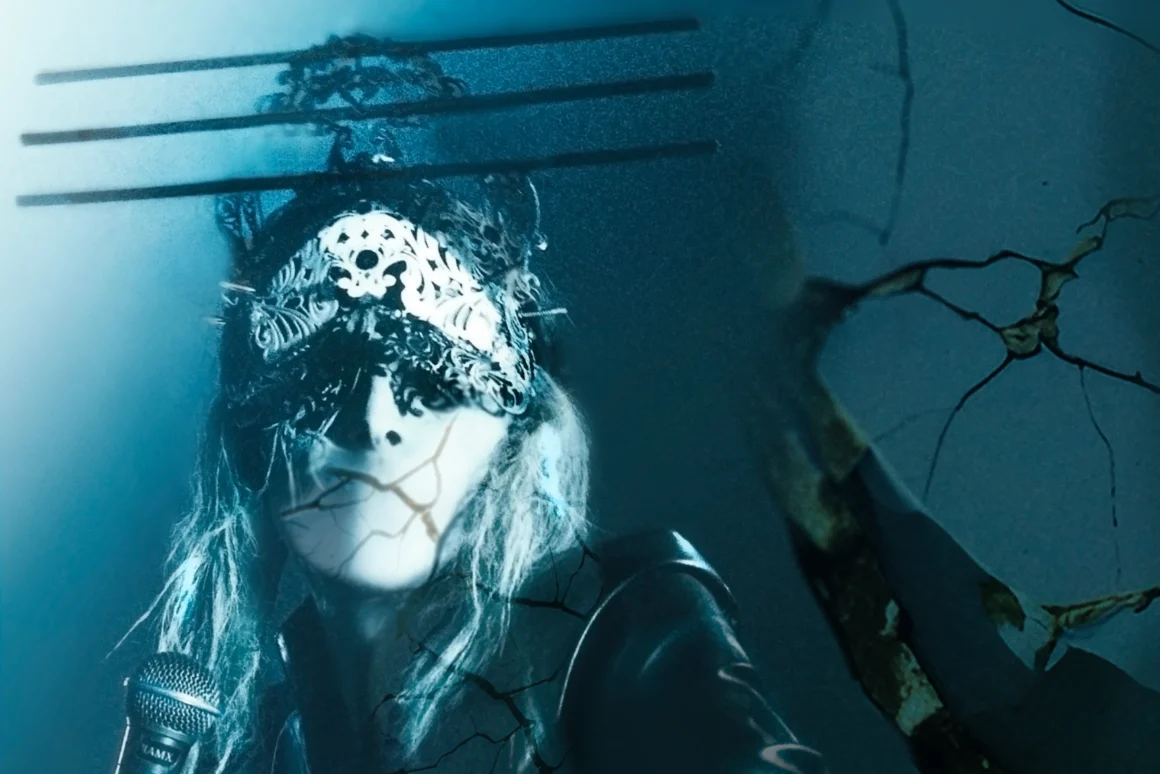
BO: With the release of Fault Lines¹ in 2023 and your tenth studio album Fault Lines² the following year, you created a diptych that seems to mark a precise boundary in your production. Fault Lines² features “The Ocean,” a ballad twenty years in the making, while the current tour is described as an evolution and transition from these two records toward the future of the project. What is the emotional thread connecting these two works, and why was this “double phase” necessary to pave the way for the new era of Artificial Innocence?
C: Fault Lines is a transitional period. It describes the divide from one thing to another, or between two things. There’s metaphor in there, a division between people. As a big picture career move, it is definitely marks a sort of psychological shift into a new realm. Personally, professionally, all of those things. Growing up, getting older, working on what is next for me.
They feel like the end of an era, those two albums, and that’s why I wanted to put them together. Fault Lines1 one wasn’t complete. It didn’t really finish what I wanted to say.
IAMX is about two forces colliding. There’s the freaky helium voiced wild beast, and there’s the concerned deeply emotional fragile creature. And they’re constantly in battle with each other… or symbiosis, maybe? I would be lying if I said it was pure symbiosis. I think that’s my aim, but it’s not the truth. I think they do fight with each other a lot, and they do question each other, and that’s maybe that’s healthy. Maybe that’s just what creation is. So they define that, the divide from one part of my life to another.
It’s odd how you write your life. You sometimes you write your life before it’s even happened. And then it happens and then you realize what you wanted to say all along, or what you wanted to be all along.
As an artist, you’re constantly doing that. If it’s good art, or if it’s at least valuable to the artist themselves, it usually has a kind of deeper meaning that you don’t really know at the time of creation.
That’s how I work. I don’t always know what the hell I’m doing till later. And it’s quite a nice feeling actually, because you catch yourself and you catch your art and think, “Oh, I did that, and that’s me, and I was right then. And you know, I’m actually not that bad, am I? I knew what I was doing.” So there’s lots of little bonuses that come with working the way I do. There’s a bit of self deception there, which I think is healthy too.
I’m almost in a place that I would call the other side of the divide. I have this deep feeling that it is not just a vague or illusory thing. I’m almost there, and I’ve never had that feeling before.
I’ve had feelings of like yeah, I’m getting there, we need to get to that place or do that thing. But never fully a feeling of some kind of arrival. Uh, but then again, you know, I don’t expect to arrive. I just think the feeling is a bit stronger than it ever has been. And those albums define that—even though it was over a period of the last three years, and we’re still promoting them. So, it’s still a thing. It feels old in some sense because I do feel that I’m past that. But then again, these kinds of transitions take a long, long time. So, it’s all how it is supposed to be.

BO: You are an activist in the fight against the stigma surrounding mental health and neurodiversity through your HEADNOISE project. How do you manage to integrate these moments of authentic dialogue and connection with fans into the grueling pace of a European tour?
C: It’s effortless. It is, I just open my mouth and it comes out. There’s no plan. I think I’m lucky or maybe just, I have the experience in many, many years of interviews and talking publicly about my work.
I’ve always had a sort of concerned, slightly cerebral way of deconstructing the work. I can see how that naturally went into something a bit more—what’s the word—therapeutic, with the way the music has always been a way of trying to understand how I relate to the world. It’s just an extension of that, maybe a bit less vague, a bit more self defined.
That’s very healthy for me because the vagueness of what art is can be a little bit frustrating sometimes. It’s a lot about feeling very big feelings and it’s nice to put that into words sometimes.
The mental health thing is at the root, a way of me decoding my own mental health, and doing it carefully, so I’m not passing on some kind of brain rot to others. I learned a lot from having my own issues and my own breakdowns. It felt like a natural progression. When I had a major, major breakdown, one of the things that sorted to the top of my brain was that I just wanted to help people.
I think that’s quite a classic response to crisis. You look to the outside to give your life a bit more meaning and purpose. I hadn’t truly connected with the thought that the music was doing that for people. I sort of needed to see it in a different way. I was so used to just music being music.
BO: Chris, we at Darkitalia have a special memory of 2015, the year we organized your live show in Milan. At that time, you were going through the Metanoia phase, which you described as a celebration of your healing and spiritual “conversion” after some difficult years. Now, ten years later and with ten studio albums under your belt, you are returning to Italy with the Artificial Innocence Tour, described as a further evolution toward the project’s future. Looking back at that guy who took the stage in Milan in 2015, how has your “metamorphosis” changed? Do you feel more in control of your art, or do you still allow yourself to be guided by the unpredictability of that “X” in your name?
C: I’m more in control through the acceptance of the chaos of my own mind. I used to fight a lot with that thing of not knowing, not feeling fully confident, or flip flopping between this hyper confidence to deep self doubt.
I’ve made a certain peace with this sort of chaos beast that IAMX is. Even though there are a lot of calm moments in it, and very controlled moments, the overall desire is for some kind of freedom and the acceptance of the chaos of the universe. So I think in the end, I’ve just stopped fighting that. It has put me into a much better mental state and given me more confidence to just keep doing what I’m doing and stop questioning things.
That certain controlled looseness has allowed me to be less dark, less negative on the road, to enjoy moments more, to enjoy people more, and particularly to accept that I have a really bad theory of mind with other people. I can never really know what they’re thinking. To take compliments better, to not question how people are, to not judge—all of these things I guess come with age.
But definitely the art has propelled all of those things. I feel very fortunate that I have come out of the other side of a quite a turbulent period. And I feel pretty stable.
And that’s nice—stable—and to have that sort of stability to be able to do what I always did and always will do without questioning it so much.
So I’ve got out my own way. I think that’s what the last ten years have given me.
BO: The new tour is described as an evolution from the Fault Lines chapters toward the future of the project. How will this “new chapter” influence the energy and the setlist we will see on stage in Milan?
C: The live experience really defines itself. There isn’t a controlled concept when we go out on the road. It’s quite practical. It’s about what works and what feels right for certain shows. We do have a longer setlist that we can adjust if we feel like throwing something different in. But generally, the setlist is solid, and it grows from one tour to the next. We develop it and make changes over time.
It’s not like Pink Floyd doing The Wall, where everything is built around a fixed theatrical concept with a giant structure onstage. It’s not that. It’s essentially indie music that evolves through the practicality of what can actually be achieved, combined with experience and an understanding of how things work live and how audiences respond.
A lot of the time, we choose tracks based on the energy of the audience. I don’t like when bands make people sit through something that clearly isn’t connecting. That doesn’t mean I always want to do a “best of” set, but live performance is such a transient experience. It should be as intense, beautiful, and energetic as possible. So anything that helps create that is worth considering.
I’m not rigid about particular tracks. The goal is the overall experience.–



![Best albums of the year [2025]](https://www.darkitalia.com/v6/wp-content/uploads/2025/12/BA2025-560x420.png)
