
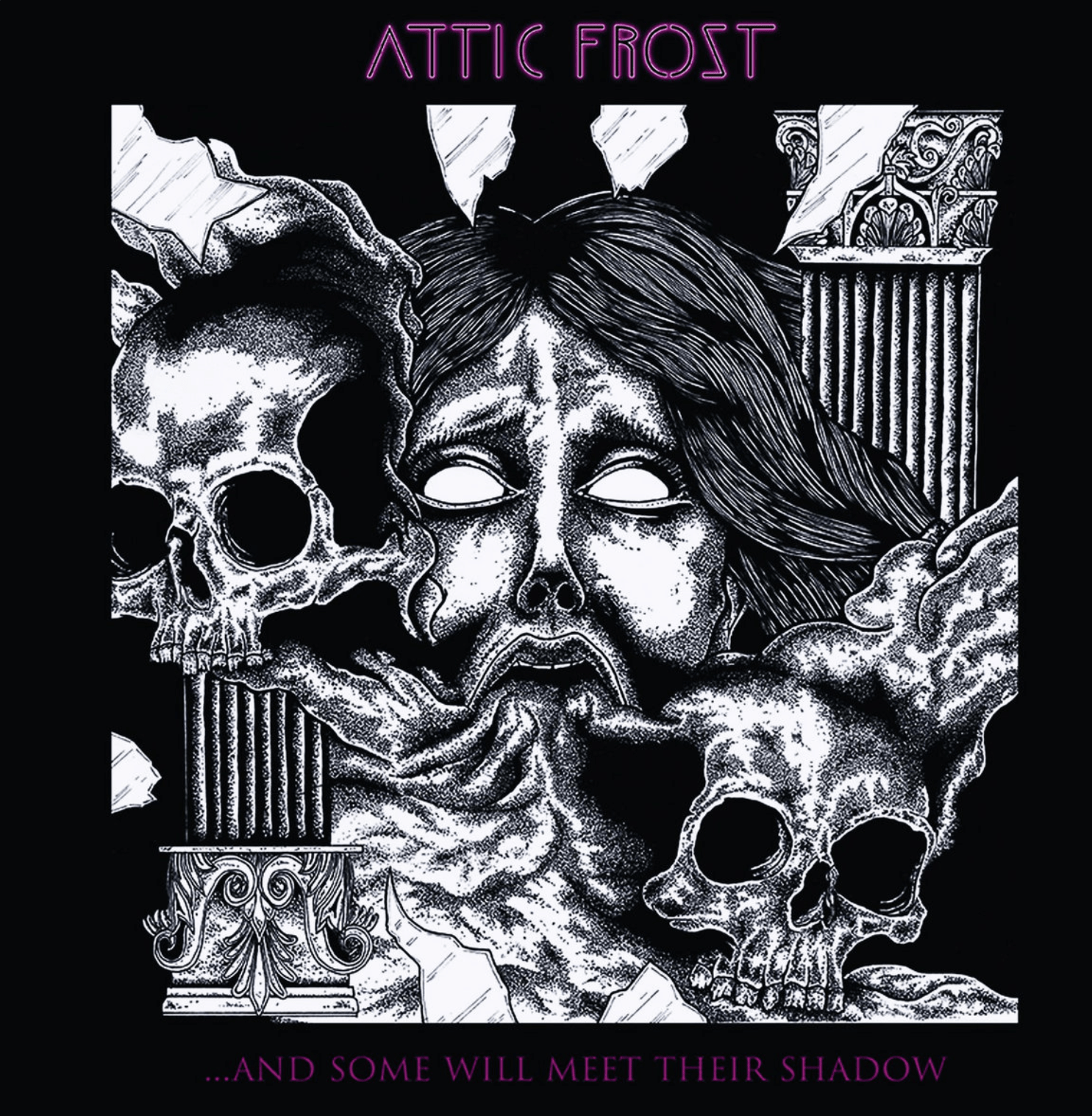
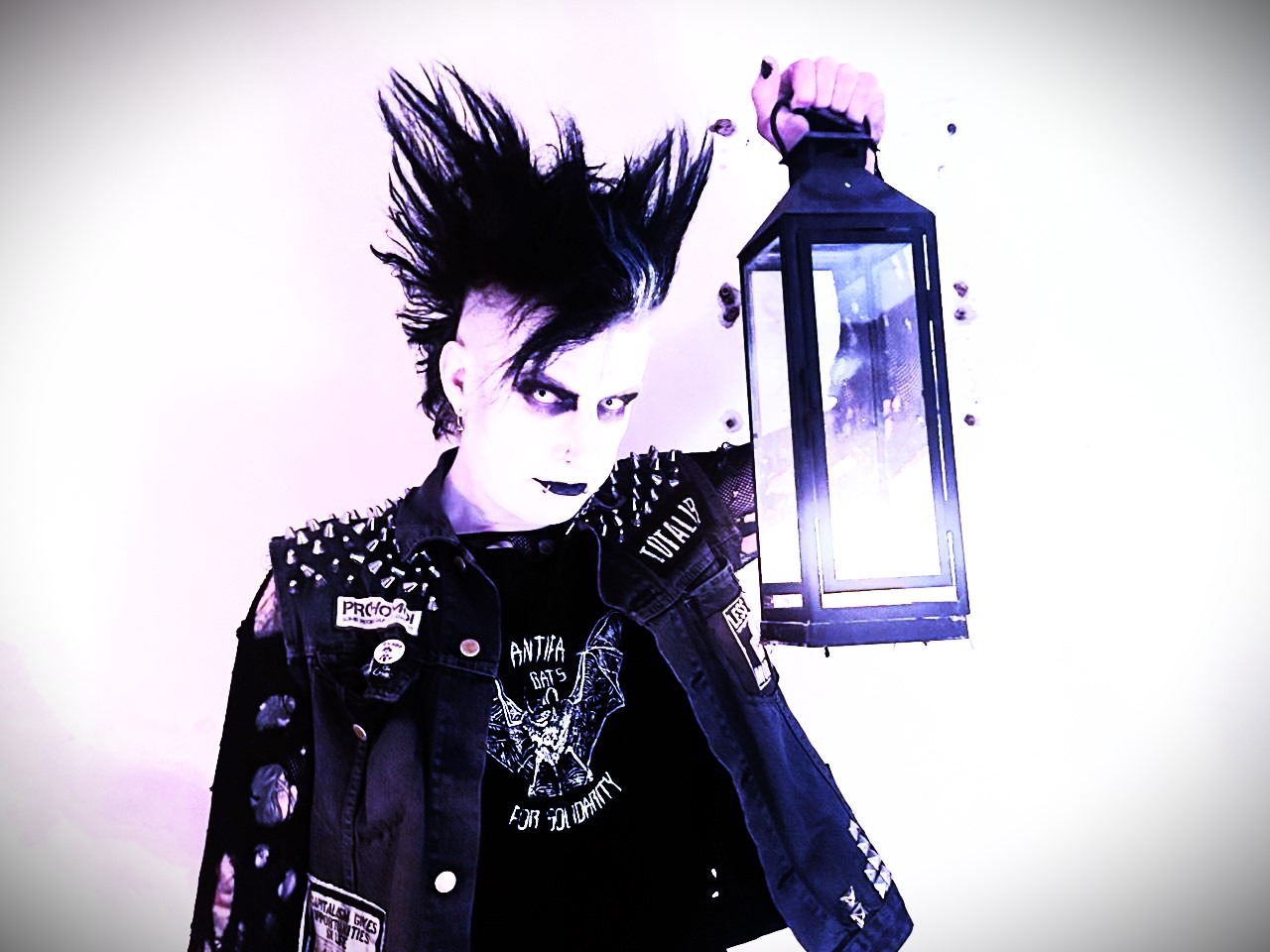
Stanchi della solita darkwave? Ho la soluzione: il suo nome è Attic Frost, one-man band nata a febbraio 2020 a Bremen, Germania. E’ l’unione di sonorità fredde stile Pornography dei Cure e Lycia, tramite pad synth “densi”, con ritmi più decisi ispirati al deathrock. Dietro a questo interessante progetto c’è Heini, bassista dei tedeschi Cataphiles, uno dei nomi più importanti della scena deathrock attuale. Per farla breve: un uomo che nasconde tante sorprese.
“La brina in soffitta si verifica quando l’aria calda entra in una soffitta fredda, condensandosi e congelandosi sugli elementi strutturali freddi. Questo fenomeno può assumere la forma di figure spettrali nell’oscurità. Il nome si riferisce alla freddezza delle composizioni e sottolinea perfettamente l’atmosfera generale del progetto”, ha così dichiarato a Jeu d’Ombre magazine.
E’ musica molto introspettiva: ascoltando si ha quasi la sensazione di entrare in “casa” sua e, in questo caso, nella sua soffitta “gelata”. Andiamo a scoprirla grazie alla sua ultima uscita, il quarto album “…And Some Will Meet Their Shadow”. Dieci tracce, in particolare le prime sei, caratterizzate da una dinamicità sorprendente: proprio quando pensiamo che i pezzi siano solo lenti e malinconici, ecco che essi ci travolgono con un ritmo molto veloce e intenso. Staticità e monotonia non gli appartengono, ed è grazie a questo – e ai suoi ideali espressi nei testi – che
Attic Frost è riuscito a trovare il proprio stile e a farsi spazio nell’ormai vasto panorama dark.
I brani non solo sono una finestra sul suo mondo interiore, ma anche su quello reale, un mix di temi personali e politici; uno specchio di ognuno di noi e del nostro tempo. In particolare del nostro lato più oscuro, quell’ombra che ci perseguita e con la quale tutti dobbiamo fare i conti: “as it comes to life / receive your darker self now” canta con voce cupa, baritonale e volutamente distante, in “As It Comes To Life”, brano di apertura che inizia a creare l’atmosfera giusta attraverso un’intro con effetti spettrali e tempestosi. Un po’ come stare a casa mentre fuori piove e si è costretti a rimanere soli con i pensieri che non ci danno tregua… a meno che non si scelga di farlo.
Proseguendo con l’ascolto, infatti, capiamo che qui la solitudine è una scelta: “Partytime” esprime un senso di distacco dalla realtà, la difficoltà nel creare connessioni genuine, e, infine, il rifiuto dei valori tradizionali; dei modi convenzionali per divertirsi. Un messaggio profondo ed elaborato, quasi come il sound della batteria e del basso, che fanno da background ad un nichilismo fonte di un isolamento “consapevole”: “I’m celebrating my decline / just in isolation I feel fine.”
In “The Void Inside Her Head” l’ambientazione è quella di una casa usata come metafora della mente. E’ il racconto, su base con synth e basso pervadente – quasi come la voce che stavolta è più chiara, forse per trasmettere al meglio il messaggio – di una donna intrappolata in una “casa orribile”, più sola che mai. Si guarda allo specchio e vede qualcuno che non esiste più. Non si riconosce. Cerca di farsi notare dietro una finestra, ma tutti continuano a camminare indifferenti. Arresa, capisce di essere incastrata in un mondo “immobile” che resta a guardare invece di agire, che rinnega il diverso, qualunque tentativo di ribellione. La consapevolezza porta inevitabilmente ad uno stato d’angoscia, almeno a chiunque sia condannato ad avere un animo sensibile. E’ così che nasce un odio “positivo” per la voglia di un mondo migliore espresso in “Further Down”, in cui il protagonista dichiara di “odiare la società ogni giorno di più” per violenza, abitudini sbagliate, perdita di memoria collettiva (“forgetting turns to ignorance”) e, infine, per l’apatia dilagante, tema ricorrente (“apathy is the new brand / they all bury their head in sand”).
A metà dell’opera la fiducia è messa a dura prova con “Trust”, uno dei brani più dinamici, dall’ottima base melodica, dagli archi ben bilanciati e mai invasivi.
“Crying shallow tears for the eyeless / and you will never trust again”.
Piangere per chi non è in grado di vederti… è così che la fiducia inizia a morire.
Quasi come un saliscendi di emozioni, la malinconia lascia di nuovo spazio alla rabbia con “An Outcry”, una cavalcata potente e decisamente politica: riguarda infatti quella tipica nostalgia del ventennio che è ormai tornata in voga. “E’ quasi un brano deathrock”, dichiara Heini, “perché il tema mi fa arrabbiare profondamente e una ballata malinconica non mi sembrava appropriata.”
Il sound più aggressivo è dovuto quindi all’urgenza di esprimere il proprio dissenso, diventando portavoce del pensiero di molti: “fascism is nothing to be debated / it is something to be smashed”.
Tutto questo permette al brano di distinguersi, tant’è che è stato scelto come primo singolo.
Gli ultimi quattro brani, “Promise Me (An Armageddon)”, “Whom The Night Calls”, “A Familiar Sound” e “Fading Echo”, a modo loro continuano ad essere fedeli al dinamismo, colonna portante del disco, risultando sempre scorrevoli e mai ripetitivi. Menzione speciale però al secondo, che come “As It Comes to Life” se non di più, ha un’intro interessante da ambientazione oscura, come il menzionato “pitch-black sea” durante la notte. Anche il terzo merita la giusta attenzione, per il ritmo che improvvisamente cambia e si fa più incalzante, quasi come in “Trust”, ma stavolta solo nella parte centrale, come a voler sottolineare qualcosa; per il suo testo molto riflessivo, come suggerisce il verso “We’re too much with ourselves / instead of with each other”.
In definitiva, si tratta di una scoperta più che positiva che i cultori del dark punk non dovrebbero sottovalutare; un artista che forse rappresenta persino la rivelazione di quest’anno, così come lo sono stati negli anni precedenti i Cataphiles, la sua band dalla rara energia ed espressività.
ENGLISH VERSION
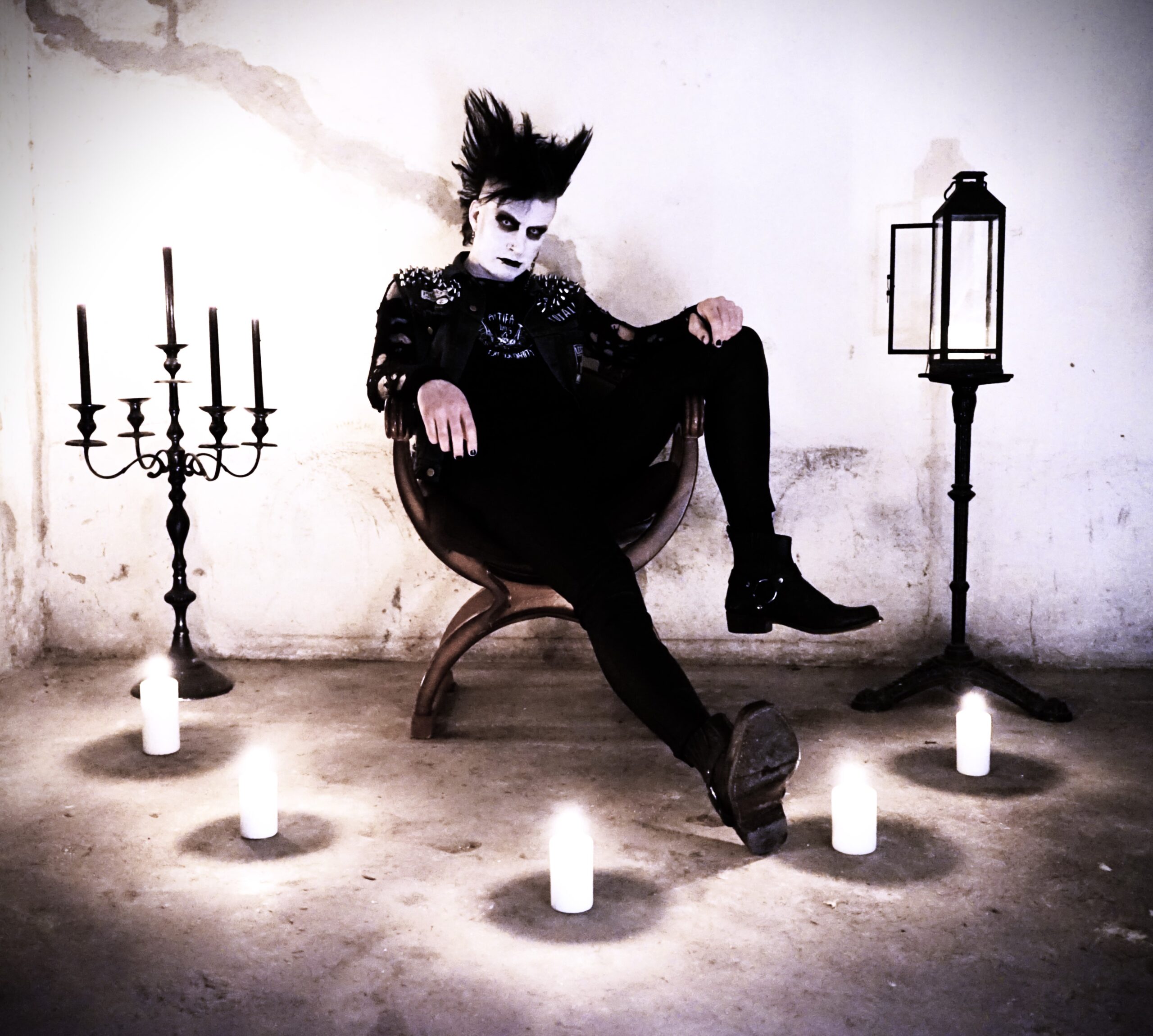
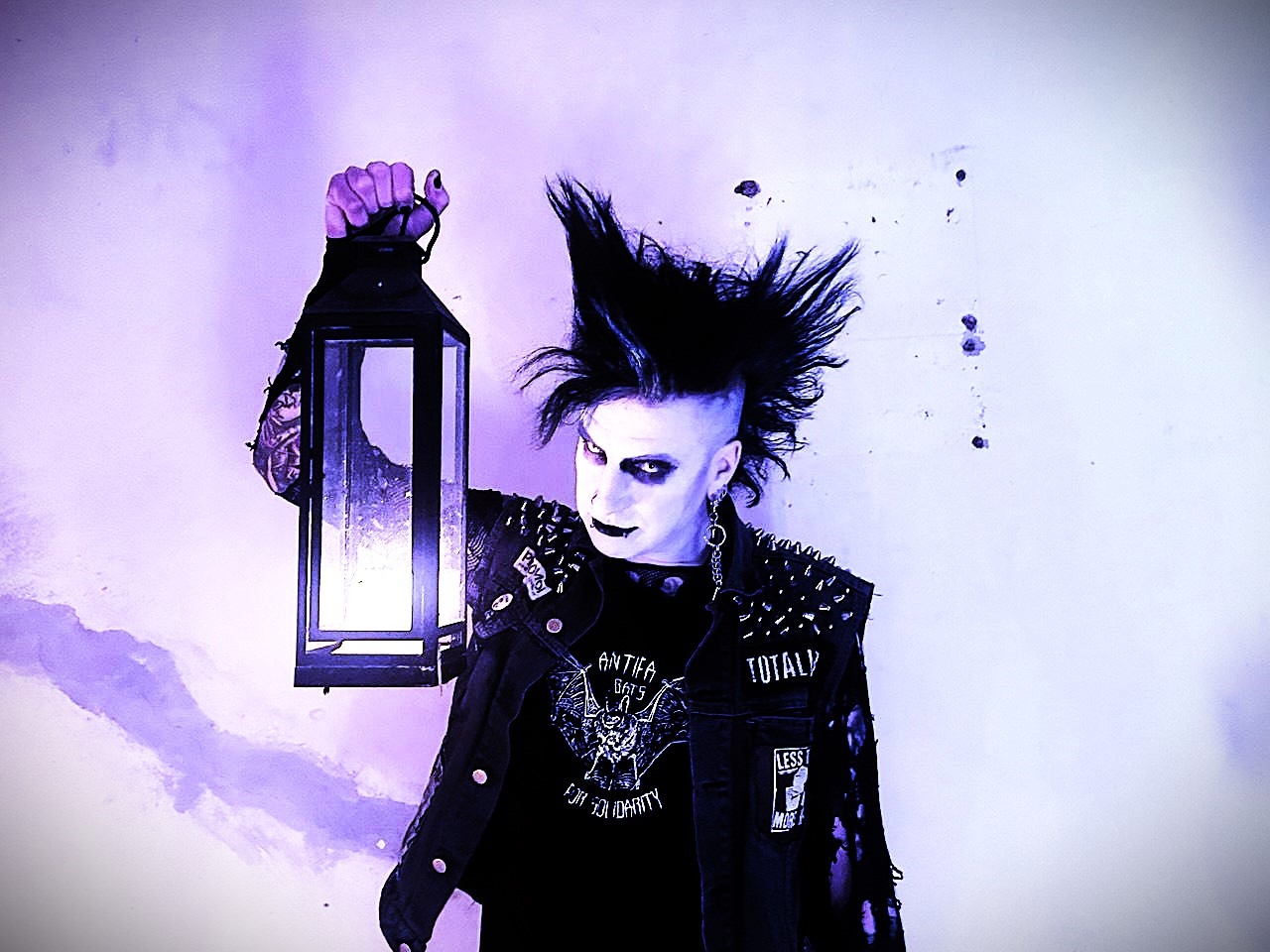
Tired of the usual darkwave? I’ve got the solution for you: its name is Attic Frost, a one-man band born in February 2020 in Bremen, Germany. It’s the union between cold sounds in the style of Pornography-era Cure & Lycia, through dense pad synths, and stronger rhythms inspired by deathrock. Behind this interesting project there’s Heini, bassist of Cataphiles, one of the most influencial names in the modern deathrock scene. To make it short: a man full of surprises.
“What’s known as attic frost occurs when warm air enters a cold attic, then condenses and freezes on the cold structural elements. In some cases, this can take the form of ghostly shapes in the dark. The name refers to the coldness of the compositions and perfectly underscores the overall atmosphere of the project”, stated Heini to Jeu d’Ombre magazine.
It’s a very introspective kind of music: while listening to it we feel as if we’re entering his house and, in this case, his “attic frost”. Let’s discover it thanks to his last release, the fourth album “…And Some Will Meet Their Shadow”. Ten tracks, especially the first six, characterised by a surprising dynamism: just when we start to think the songs are slow and melancholic, they catch us by surprise with a very fast and intense rhythm. Stillness and monotony do not belong to him, and it’s thanks to this – and to his values expressed through content-rich lyrics – that Attic Frost managed to find his own style and to take up space in an extended and diverse dark scene.
The tracks are not only a window to his inner world, but to the real one as well, a mix of personal and political; a mirror of each one of us and of our time. Especially of our darker side, that shadow that never leaves us alone and, sooner or later, something that everyone must come to terms with: “as it comes to life / receive your darker self now” he sings with his dark, baritone and intentionally distant voice, in “As It Comes To Life”, the opening track that starts to set the right mood through an intro with spectral and stormy effects. It’s like staying home while it rains outside and we’re forced to be alone with our own thoughts that never spare us… unless we choose to do so.
As we keep listening, in fact, we understand that solitude is a choice here: “Partytime” expresses a sense of detachment from reality, the difficulty in creating genuine connections and, lastly, the rejection of traditional values; of conventional ways “to have fun”. A deep and elaborated message, almost like the sound of drums and bass, which become the background to a nihilism source of a “conscious” kind of isolation: “I’m celebrating my decline / just in isolation I feel fine.”
In “The Void Inside Her Head” the setting is a house used a metaphor of the mind. It’s the story, told on a synth and pervasive bass base – almost like his voice, that is now more clear, perhaps to convey the message as best as possible – of a woman stuck in a “awful house”, more alone than ever. She looks in the mirror and sees someone who doesn’t exist anymore.
She doesn’t recognise herself. The woman tries to wave behind a window, but everyone keeps carelessly walking. Surrendered, she understands she’s trapped in a motionless world, who just stands by instead of acting, who rejects anyone who’s different, “any attempt to revolt against this oppressive reign”. Awareness inevitably leads to a state of anguish, at least to anyone who’s cursed to have a sensitive soul. This is how a “positive hatred” for the desire of a better world is born, the one expressed in “Further Down”: he feels “each day he goes out, he hates society a little bit more” for violence, wrong patterns, collective memory loss (“forgetting turns to ignorance”) and, ultimately, for the rampant apathy, a recurring theme (“apathy is the new brand / they all bury their head in sand”).
Halfway through, faith is severely tested with “Trust”, one of the most dynamic songs, with an excellent melodic base, well-balanced and never invasive strings.
“Crying shallow tears for the eyeless / and you will never trust again”.
Crying for who cannot even see you… that’s how trust starts to die.
Almost like a rollercoaster of emotions, melancholy leaves space to anger again with “An Outcry”, a powerful and definitely political ride: it’s about that typical nostalgia of the 20s which is now sadly returning.“It’s almost a deathrock song”, said Heini, “because the topic makes me deeply angry and a ballad didn’t seem appropriate”.
Behind the more aggressive sound there’s the urgency to express his dissent, becoming the spokesman of many: “fascism is nothing to be debated / it is something to be smashed”.
All of this allows the song to stand out, that’s why it was chosen as the first single of the record.
The last four tracks, “Promise Me (An Armageddon)”, “Whom The Night Calls”, “A Familiar Sound” and “Fading Echo”, in their own way, keep being faithful to the dynamism, the backbone of the album, always being smooth and never repetitive. Special mention to the second one, that like “As It Comes to Life” or even more, has an interesting intro of a gloomy setting, such as the mentioned “pitch-black sea” during the night. The third deserves more attention too, for the rhythm that suddenly changes and becomes relentless resembling the one in “Trust”, but this time in the central part, as if he wanted to point out something; for the thoughtful lyrics, as the verse “We’re too much with ourselves / instead of with each other” suggests.
Finally, this is a very good release, one that dark punk enthusiasts shouldn’t underestimate; an artists that could even represent the revelation of the year, just like Cataphiles, his band full of unique energy and expression, have been in the previous years.


![Best albums of the year [2025]](https://www.darkitalia.com/v6/wp-content/uploads/2025/12/BA2025-560x420.png)
